A sediment filter traps and removes contaminants in the water that runs through it. Debris like rust flecks, stormwater runoff and suspended solids will age pipes and discolor water if they find their way into these systems. Debris can also clog valves and fixtures and prevent filtration systems, like ultraviolet purification and reverse osmosis, from working effectively.
If you have a well, you also need a well pump — which requires a sediment filter to operate properly. Learn more about sediment filters here and why they’re essential for your system.
How Do Sediment Filters Work?
Sediment filters work by using a process known as mechanical filtration. Mechanical filtration is when unwanted contaminants and other matter in the water are physically blocked from entering the water supply. A sediment filter contains a sieve that traps large particles, meaning only water can get through. Sediment filters are rated based on the size of the particles they can remove. For example, a 5-micron sediment filter will be able to block particles that are 5 microns or higher.
When you’re looking for the right filter, take micron size into consideration. You may need filters of different sizes based on what might be in your water. For example, fine sand is roughly 300 microns in size. A human hair is 70 microns, and table salt is around 100 microns. A quick online search should help you find the filter size you need.
Sediment Filter Uses
Sediment filters are used to add functions and sanitary capabilities to your water treatment system. They give you peace of mind knowing that the water in your system is free of dirt, debris and other larger particles that might reduce its quality. These are the various systems that feature sediment filters to filter particles out of water:
Reverse Osmosis
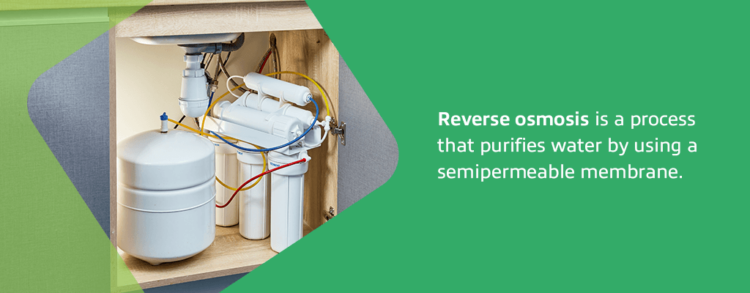
Reverse osmosis systems have a pre-filter for removing sediment. Reverse osmosis is a process that purifies water by using a semipermeable membrane. This membrane captures salts, metals and dissolved solids that may be present in water. The sediment filter in reverse osmosis filters is a pretreatment that protects the system and filters the water. Water rejected by the membrane gets drained through a small flow restrictor. The flow restrictor pressurizes the membrane to control the recovery rate of the reverse osmosis system.
Carbon Filters
Carbon filters restore the fresh taste of water by filtering out chloramines and chlorine. They can filter out sediment, but dirt particles can clog up the carbon filter. When clogged, the filter media can be exhausted quickly. Sediment filters are less expensive than carbon filters, so they should be installed to pre-filter water and extend the life of your carbon filters.
Ultraviolet Purification
Ultraviolet purification systems also use sediment filters. This type of system neutralizes threats like parasites, microorganisms and bacteria. The DNA of the affected organisms is damaged using germicidal ultraviolet wavelengths. The damage sustained during this process renders the organisms unable to reproduce. A 5-micron sediment filter is the best addition to this system to ensure optimal filtration.
Whole-House Sediment Filtration
Investing in a whole-house sediment filtration system can save you a lot of money. If allowed to flow through your home’s pipes, sediment can wreak havoc on appliances and the pipes themselves. Sediment will clog your pipes and reduce water pressure through your home.
If your main water source comes from a private well, whole-house sediment filtration is a useful investment. Groundwater can hold a much higher quantity of sediment than water from city water supplies. Rain and stormwater can bring in more contaminants and sediment, as well. This debris needs to be filtered out to give you clear water that will not clog your pipes.
Types of Sediment Filters
There’s a wide variety of different types of sediment filters. Each is designed to perform the same functions — filter water and collect the debris that passes through them. These are the options you might find on the market and what makes them different:
Bag Filters
Bag sediment filters process water using tiny permeable pores. They can range in size from 1 micron to 200 microns. Typically, they are made of polypropylene or polyester felt. Bag filters have a variety of applications, ranging from reverse osmosis purification to processing chemicals, resins, solvents and paints, meaning their uses go far beyond just sediment filtration in water pumps.
Melt-Blown Filters
Melt-blown filters have depth gradients that remove sediment from the water that passes through them. High-velocity gas is blown through molten polymer to make this type of filter. This forms an intricate layer of fibers used for filtration. The center of this filter will filter anything below 10 microns. Melt-blown filters are ideal for filtering incredibly fine particles, like beach sand.
Pleated Filters
Pleated sediment filters are shaped like accordions. They have thin filter sheets made of polyester or polypropylene. The volume of these pleated folds means they can filter a larger surface area than other sediment filters. When they take on dirt, a layer will be formed on the filter to amplify the efficiency of its filtration abilities.
Spin-Down Filters
A spin-down filter eliminates sediment from water using centrifugal force. Water comes in through the top of the spin-down filter, which is then diverted into a clear chamber when the water gets spun around. Heavier sediment is thrown outside the inner chamber and settles to the bottom of the filter. These filters don’t need disposable cartridges and are effective at removing large particles from water.
String-Wound Filters
String-wound filters work similarly to melt-blown filters. Made of tightly wound cotton, polypropylene string or polyester, they firmly trap debris. Water travels from one layer of string to another, and the finer matter is filtered out with each consecutive layer. Once overloaded with sediment, the string will loosen and begin to shift, at which point you’d want to replace the filter.
Optimize Your Water Pump’s Filtration With Our Products
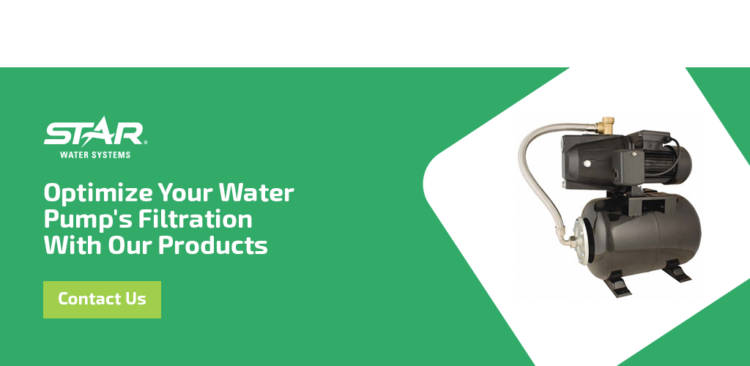
Are you looking for durable, high-quality filters for your well pump system? Star Water Systems is here to help. With our array of water pumps and filtration products, you can find a variety of solutions to fit your unique needs. Specifically, our sediment filter is perfect for removing sand and other debris from water supplies, allowing you to enjoy cleaner water and keep your plumbing system in good condition. It even comes with an adapter for simple PVC pipe attachment.
If you have questions, our team can help you through the process and make sediment filtration a breeze. Find a dealer location near you to purchase your water pump filter!