Key Takeaways:
- Backup power systems are critical because flood prevention equipment relies on continuous electricity to function: During power outages, sump pumps and other flood prevention systems fail without backup, leaving homes vulnerable to flooding and water damage; backup power ensures protection even when the grid goes down.
- Three backup power options suit different home needs and budgets: Battery backup systems (easy installation, long-lasting batteries, automatic charging), generators (robust solution for larger homes, powered by gas/propane/diesel for extended outages), water-powered backup systems (uses municipal water pressure, highly efficient, continuous protection if water supply remains active).
- Regular maintenance keeps backup systems ready for emergencies: Check and replace batteries in battery-operated systems regularly; maintain adequate fuel supply for generators before storm season; inspect water-powered options periodically to ensure functionality when needed.
Flooding often occurs at unexpected times — and when it does, having a reliable flood prevention system is crucial to protect your home. But what happens when a power outage occurs, and your flood prevention system stops working? A backup power system for your flood prevention equipment helps keep your basement dry even if the power goes out. Here’s everything you need to know about safeguarding your home with a dependable backup power solution.
Why Backup Power Is Crucial for Flood Prevention
Flood prevention systems rely on a continuous power supply to function correctly. During an outage, these systems may fail, leaving your home vulnerable to flooding and water damage. A backup power system keeps your equipment working even without electricity, protecting your property and providing peace of mind.
Types of Backup Power Solutions
The right backup power option depends on your home’s specific needs. Choose from:
- Battery backup systems: Easy to install and maintain, battery backup systems offer a reliable power source when needed. Look for systems with long-lasting batteries and automatic charging features for the best results.
- Generators: Generators are a more robust solution, especially for larger homes or more extensive flood prevention systems. They can be powered by gas, propane or diesel, providing a continuous power supply during extended outages. Choose a generator with adequate power capacity for your specific requirements.
- Water-powered backup systems: Water-powered backup systems use municipal water pressure to power a backup pump without the need for batteries or fuel. They’re highly efficient and can provide continuous protection as long as your water supply remains active. However, they may not be ideal for homes with wells or low water pressure.
What Is the Purpose of a Battery Backup System for Water Pumps?
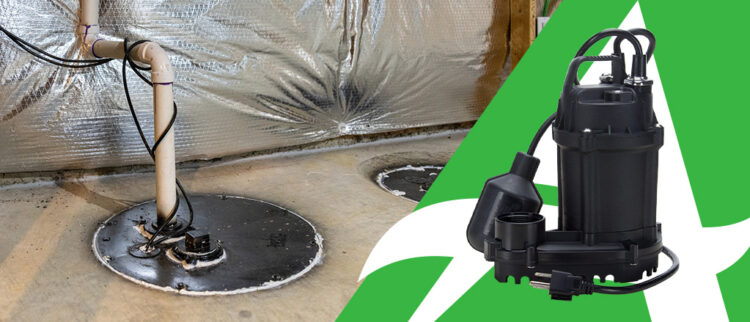
The purpose of a battery backup system for water pumps is to keep your sump pump running during a power outage, preventing basement flooding when your primary pump loses power.
A battery backup system is a device that stores electrical energy and automatically activates when grid power fails, serving as a secondary power source for your sump pump. Secondary power matters most during severe storms, when heavy rainfall can increase the risk of basement flooding, and weather-related outages can cut power to your primary sump pump.
Battery backup systems also offer protection when your primary sump pump is overwhelmed by high water volume, providing a critical second line of defense. Many systems include built-in alerts that notify you when the backup is actively pumping, so you always know your home’s flood prevention status.
Tips for Maintaining Your Backup Power System for Flood Prevention Equipment
Regular maintenance of your backup power system is important. For battery-operated systems, regularly check and replace the batteries to ensure they’re ready to use in an emergency. Test the system before heavy storm seasons and confirm that the float switch can move freely.
If you have a generator, make sure you have an adequate fuel supply before a storm hits. Water-powered options require less upkeep but should be inspected periodically to ensure they function correctly.
Frequently Asked Questions
Here are some common questions about backup power systems for flood prevention equipment:
Is a battery backup or a water-powered backup sump pump better?
The better option depends on your home. Battery backup sump pumps are useful for homes that need automatic outage protection without relying on fuel or municipal water pressure. Water-powered backup pumps can provide protection without batteries, but they require reliable municipal water pressure and are not ideal for homes with wells or low water pressure.
Do sump pumps need battery backup?
A sump pump can operate without battery backup when the home has electricity, but a backup system provides important protection during power outages. If your basement is prone to water intrusion or your area experiences storm-related outages, a battery backup system can help keep your pump working when you need it most.
How long does a sump pump battery backup last per charge?
A sump pump battery backup can run for a few hours to a couple of days, depending on the battery size, pump demand, water volume and how often the pump cycles. The system will last longer when the pump runs intermittently and will drain faster when the pump runs continuously during heavy rain. The Star Water Systems STB75B, for example, pumps up to 8,900 gallons per charge at a 10% duty cycle.
When should you install a sump pump backup power system?
Consider installing a backup power system before storm season or before your home experiences repeated water intrusion. Backup power is also useful if:
- Your basement has flooded before.
- Your sump pump runs often.
- Your area frequently experiences extended power outages during heavy rain.
Installing a system in advance helps ensure your flood prevention equipment is ready before an emergency occurs.
What type of battery does a backup sump pump need?
Backup sump pumps typically require a deep-cycle battery, similar to the type used in marine or golf cart applications, rather than a standard automotive battery. Deep-cycle batteries are built to discharge slowly and repeatedly without damage, which is what a pump needs during a multi-hour outage.
Some options include:
- Absorbed glass mat (AGM) batteries: This is a maintenance-free option that doesn’t require water top-offs.
- Wet-cell batteries: These batteries cost less up front but need periodic maintenance to perform reliably.
Choose Star Water Systems for Backup Sump Pumps
A reliable backup plan helps your basement stay dry during power outages. Star Water Systems provides Basement Sentry backup pumps, including water-powered and battery-operated models, to help protect your home from flooding.
Explore our selection or locate a nearby retailer to find the right solution. For more information or assistance, contact our experts today!