Key Takeaways:
- Five warning signs indicate low water pressure problems: Weak showers and faucet pressures, inconsistent water flow (fluctuating pressure), slow appliance cycles (dishwashers/washers take longer), difficulty using multiple appliances simultaneously, and pressure drops during peak times.
- Check water pressure with a simple gauge test: Attach pressure gauge to outside faucet (normal range 45-55 psi); below 40 psi or above 80 psi indicates problem; helps determine if booster pump is necessary.
- Booster pump installation improves pressure, flow consistency, appliance efficiency, and extends equipment lifespan: Consider your home size, water usage patterns, current/desired pressure levels, and whether water must travel against gravity; proper selection ensures optimal results.
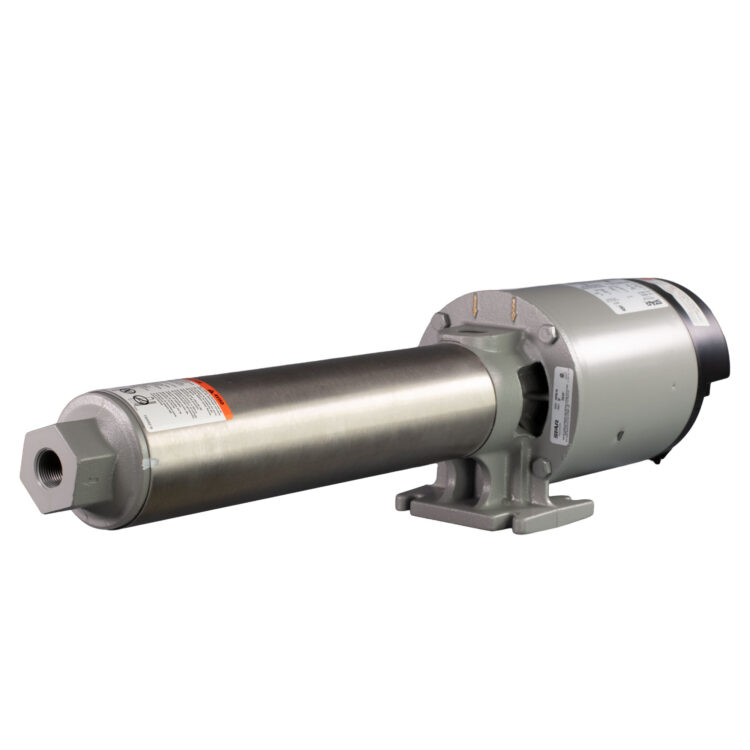
A water pressure booster pump can increase water pressure to your desired level and improve flow rates. The pump takes the existing water supply and amplifies its pressure through an internal pump and motor. It provides the necessary pressure to move water from a storage tank and throughout your house.
Five Common Symptoms of Low Water Pressure in Homes
Here are five common signs of low water pressure in your home. If you notice more than one of these issues, it may be time to explore a home water pressure booster system.
1. Weak Showers and Faucet Pressures
A water pressure issue could be as simple as trouble with a single fixture in your home, but that is not always a definitive indicator. When you notice low water pressure across several fixtures, such as showers and faucets on different floors or in different bathrooms, that’s a red flag.
2. Inconsistent Water Flow
Another low-pressure indicator is when water flow fluctuates unexpectedly, often weakening when other appliances are in use. The inconsistency can make tasks like showering or washing dishes challenging, as the flow oscillates between strong and weak.
3. Slow Appliances
Low water pressure can cause appliances to take longer to fill and complete their cycles. A dishwasher, for example, requires adequate incoming pressure to fill its basin and power its spray arms to clean dishes thoroughly. When pressure is too low, spray arm performance drops, cycle times extend and dishes may not come out fully clean.
Similarly, washing machines take longer to fill each cycle, increasing overall run times and energy use. The added strain from running extended cycles also accelerates wear on internal pumps, valves and seals over time. If your appliances seem sluggish despite being in good working order, low water pressure is likely the cause.
4. Difficulty Using Multiple Appliances Simultaneously
When you run the washing machine, flush a toilet or turn on a faucet, the water pressure drops significantly elsewhere in the home. This issue is caused by your home water supply’s inability to support multiple demands simultaneously.
5. Noticeable Pressure Drop at Peak Times
During high-demand periods like mornings or evenings, you may notice a significant decrease in water pressure. During these periods, entire neighborhoods draw from the same supply lines simultaneously, reducing the pressure available to individual homes. Homes at the end of long supply runs or located at higher elevations are particularly vulnerable, since water loses pressure the farther and higher it has to travel.
How Can You Improve Water Pressure in Your Home?
You can improve water pressure in your home by:
- Cleaning clogged fixtures: Check your showerheads and faucet aerators for mineral buildup. If you notice buildup, clean or replace the affected parts to help restore better water flow.
- Opening your valves fully: Make sure your main shut-off valve and individual fixture valves are completely open. Partially closed valves can restrict water flow and reduce pressure throughout your home.
If these simple fixes do not improve water pressure in your home, the next step is to measure it with a pressure gauge and determine whether you need a water pressure booster pump.
How to Assess Your Home’s Water Pressure
Follow these steps to check your home’s water pressure:
- Turn off all fixtures, appliances and sprinklers.
- Hook up a water pressure gauge to a spigot or outside faucet.
- Tighten the gauge and open the faucet all the way.
- The reading on the gauge should be between 45 and 55 psi — anything below 40 or above 80 psi indicates a water pressure problem.
Benefits of Installing a Water Pressure Booster
The primary benefits of installing a booster pump are increased water pressure and consistent flow throughout your home. Everyday tasks like showering, washing dishes and doing laundry become easier and more efficient. As a result, the pump also increases the lifespan of your appliances by ensuring they function more efficiently and are not strained by low, inconsistent water pressure.
A well-designed water pressure booster system can also make multistory homes more comfortable by delivering more even pressure to fixtures on upper floors.
What to Look for When Choosing a Water Pressure Booster Pump
Once you know you need a water pressure booster, it is important to choose a system that matches your home’s water needs. The right pump will help improve water pressure in your home without putting unnecessary strain on your plumbing or appliances.
When evaluating your options, consider:
- Existing and desired water pressure: Know your current psi readings and the target range you want to reach so you can select a booster sized to close that gap.
- Home size and layout: Larger or multistory homes may need a more powerful water pressure booster to maintain consistent pressure on every floor.
- Flow rate and household demand: Think about how many fixtures and appliances may run at the same time so the booster pump can support typical peak usage in your home.
- Water source and direction: Consider whether your water needs to be pumped uphill from a storage tank or across long pipe runs, as these factors can affect the type of water pressure booster you need.
- Noise level and installation location: Choose a booster pump designed to operate quietly for its planned location and to fit the available space near your main water line.
Purchase Quality Water Pressure Boosters From Star Water Systems
If you are still wondering how to improve water pressure in your home after checking simple fixes and testing your psi, a home water pressure booster is often the most reliable long-term solution. The right system will match your home’s size, layout, flow needs and existing water pressure so you can enjoy steady, comfortable water pressure throughout your day.
At Star Water Systems, we offer a high-performance water pressure booster designed to help your home maintain consistent water pressure for showers, faucets and appliances. Contact us to discuss your home’s water pressure challenges or find a retailer near you today.