If your current laundry room is a cramped closet on the main floor — or, worse, located in a remote corner of the house — you’ve likely dreamt of a better solution, and the basement holds great potential.
Transforming your basement into a fully functional laundry haven is one of the smartest and most convenient home upgrades you can make. It frees up valuable living space elsewhere and minimizes noise pollution in your main living areas. Plus, it’s more satisfying to have a dedicated, organized laundry station.
This guide will provide tips for turning a dusty storage space into the laundry room of your dreams. With the right preparation and know-how, you’ll be folding clothes in your new space in no time!
Benefits of Adding a Washer and Dryer to Your Basement
Moving your laundry appliances to the basement delivers some substantial, life-improving perks, which include:
- Reduced noise: Washers and dryers, especially during a high-speed spin cycle, can be surprisingly loud. Moving them to the basement isolates that noise, keeping your main living and sleeping areas blissfully quiet.
- Saved space: Is your current laundry “room” a repurposed mudroom, pantry or hallway closet? Shifting these bulky appliances downstairs immediately frees up that precious, above-grade square footage for better uses, like a home office or a proper entryway.
- Increased home value: A dedicated, well-planned laundry room is a major selling point. It signals to potential buyers that your home is thoughtfully designed and includes all modern conveniences.
- Enhanced convenience: Basements are the central hub for most utility lines, making the connection process more straightforward and less invasive than trying to run new lines across the main floor or attic.
Planning Your Basement Laundry Space
The first phase of any basement remodel is careful planning. A successful laundry room installation hinges entirely on choosing the perfect spot. Consider these factors to pick the right location:
- Sufficient space and accessibility: Make sure the area is large enough — not only for the machines themselves, but also for you to comfortably load, unload and fold clothes. Think about door swing and appliance depth. You don’t want to squeeze past the dryer every time you need to reach the detergent.
- Proximity to existing utility lines: The closer your chosen spot is to the main water heater, water lines, electrical panel and, most importantly, the main sewer pipe, the cheaper and simpler your installation will be. Running new lines long distances, especially plumbing, adds complexity and expense.
- Noise and surface considerations: While the basement muffles noise, avoid installing the machines directly under a master bedroom or a quiet office if you can help it. Also, the floor must be level and structurally sound to handle the weight and vibration of a washer during a spin cycle. An uneven surface will cause the washer to “walk” and potentially damage itself or the floor over time.
- Building approval and permits: Before you lift a wrench, check with your local municipality on building codes. Basement laundry rooms often have specific requirements for ground fault circuit interrupter (GFCI) electrical outlets, proper venting materials, drainage solutions and even fire safety. A permit and inspection confirm that the job is done safely and correctly, protecting your home and investment.
Essential Utility Checklist for Your Installation
The beauty of a basement installation is its proximity to the home’s main utility lines, but you still need to tap in to them safely and correctly. This checklist covers the three main utility requirements.
Connecting to a Water Supply
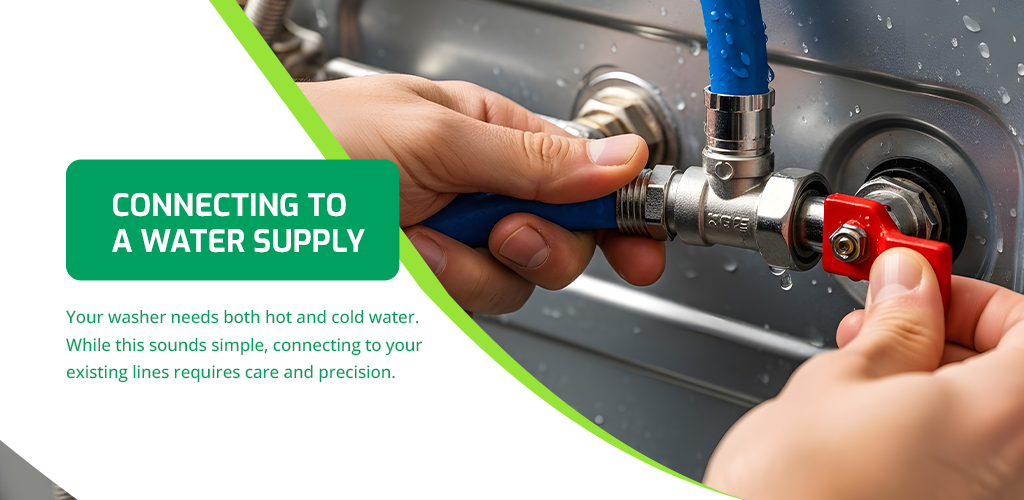
Your washer needs both hot and cold water. While this sounds simple, connecting to your existing lines requires care and precision.
The most common way to tap in to your main water lines is by using tee fittings to create a new branch for the washer hoses. While quick-install saddle valves exist, they’re often less reliable — and even prohibited by some plumbing codes since they tend to leak or clog over time. A proper tee fitting is the professional choice.
Before cutting or drilling into any pipe, you’ll need to shut off the main water supply to your entire house. Open a few faucets upstairs to drain the lines, and ensure you have all the necessary fittings and shut-off valves for the washer connection before you turn the main valve back on.
Meeting Electrical and Venting Needs
A modern washing machine typically runs on a standard 120-volt outlet. However, a modern electric dryer requires a dedicated 240-volt circuit. This circuit needs its own breaker and a specific, heavy-duty outlet. Overloading an existing circuit can cause serious fire hazards.
Hire a licensed electrician for the 240-volt wiring and any necessary breaker panel work. They will ensure the installation meets all safety codes, preventing issues and passing any required inspections.
Unless you have a ventless condenser dryer, your standard dryer needs to vent moisture and lint directly outside. This process usually involves cutting a hole through the rim joist or foundation wall. The venting duct must be smooth metal and as straight and short as possible to prevent lint buildup and fire risk. Avoid long, winding or crushed vents, as these can reduce efficiency and create hazards.
Ensuring Basement Washer Drainage
The washing machine pumps out wastewater, but where does it go? If your washer location is above the main sewer or septic line common in walk-out basements, you can simply drain into a stand-alone utility sink or a dedicated standpipe connected to the main drain via gravity.
In most homes, the basement floor is below the level of the main sewer or septic line that exits the house. Because water can’t flow uphill on its own, you cannot simply connect the washer’s discharge hose to the main line. When gravity fails you, you need a little technological muscle to get that wastewater out.
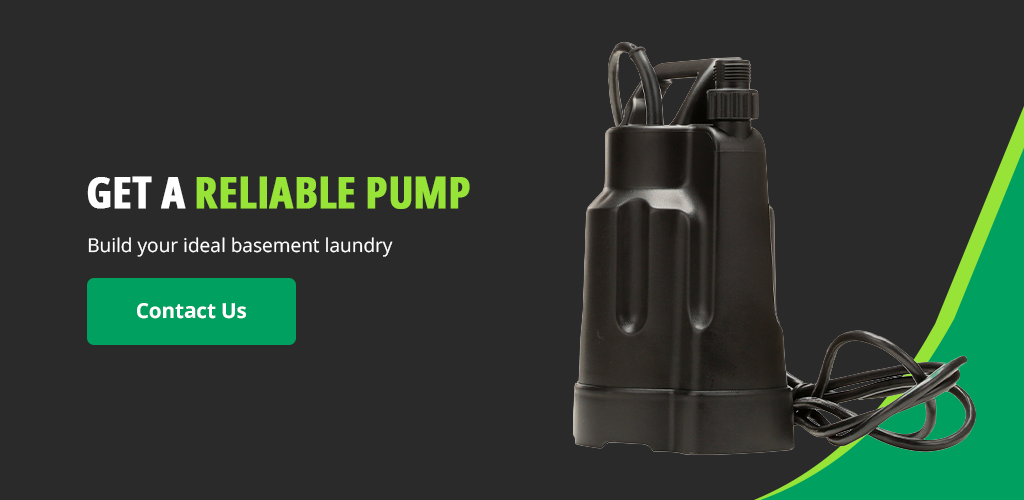
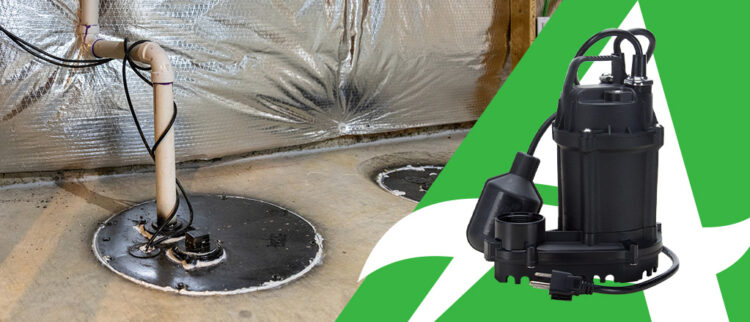
The most effective and reliable solution for a below-grade basement laundry setup is a utility pump system. This system is specifically designed to overcome the elevation difference between your basement floor and the main drain.
Get a Reliable Pump for Your Basement
A beautiful, functional basement laundry room is an investment in your home’s value and your daily convenience. But none of it works without a dependable drainage system. When your basement laundry appliances need to beat gravity, you need a reliable, high-quality pump.
For decades, Star Water Systems has been the industry standard for reliable, durable and highly efficient water movement solutions. Our specially engineered utility pumps are the ideal, hassle-free solution for the below-grade drainage challenges. Designed for continuous use and featuring robust construction, a utility pump from us ensures that your washer’s discharge water will be reliably and quickly pumped up and out, load after load, year after year.
Contact us today to learn more about our complete line of utility pumps and other home water movement solutions.