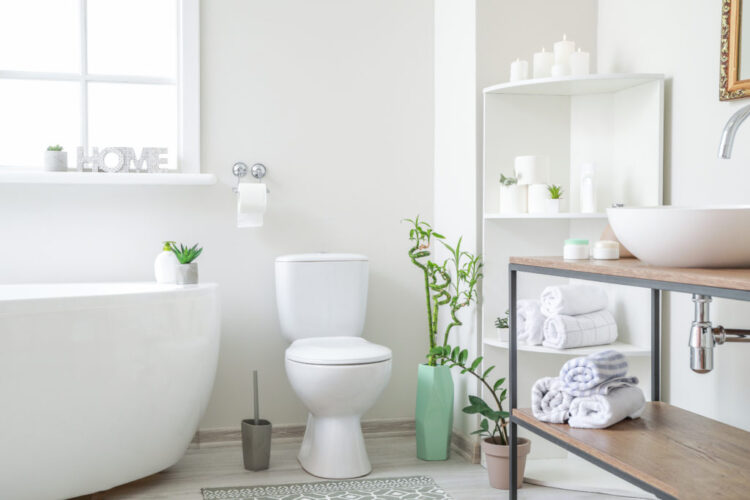
When installing a new bathroom or laundry room below your sewer’s main line, you need a system that transports your sewage up instead of down. Sewage ejector pumps and upflush toilets, also called toilet pump systems, transport waste to your main sewer line so you can have that basement bathroom or laundry room that you’ve always dreamed of. Since the two designs do the same thing, you may wonder which is best for you.
What Is a Sewage Ejector Pump?
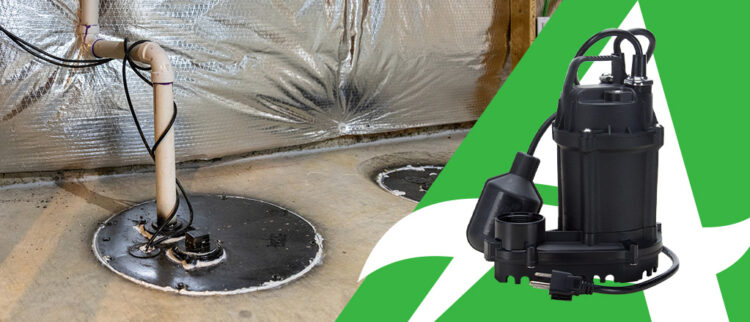
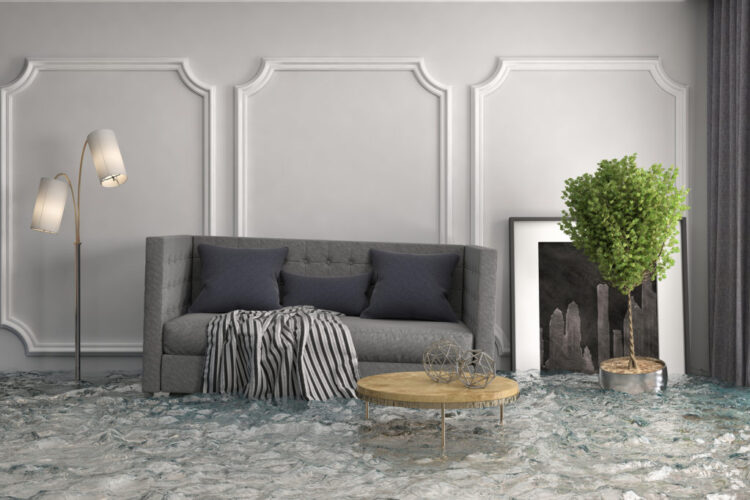
A sewage ejector pump collects and sends liquids and solids up to the level of the sewer line. The pump sits underneath your home in a sump basin, which is a hole with a gravel base. Ejector pumps are common in basement bathrooms and laundry rooms where the sewer line or septic drain field is above them. Without an ejector pump, waste can solidify in your pipes, causing sewage backup and flooding.
Drain lines from various basement fixtures slope down and connect to the sump basin’s side. When the wastewater level in the basin reaches a specific height, a float lifts and turns on the sewage ejector pump, sending wastewater to the sewer or septic line. Once the basin level and float fall back down, the pump turns off until the basin fills up again.
Pros and Cons of Sewage Ejector Pumps
Sewage ejector pumps are a cost-effective and efficient method for transporting sewage. They require no maintenance aside from annual service. However, there are specific requirements for installing one, such as:
- Codes and regulations: Consult with a plumber or your local building office to learn about the codes and regulations for sewage ejector pump installation. You may need a permit to install one of these systems.
- Vents: Sewage ejector pumps must have a vent to release gases and equalize pressure when pumping.
- Check valve: Sewage ejection pumps require check valves to connect their pipe to the sewer line and prevent wastewater from returning to the toilet. These pieces also prevent odors from escaping.
- Size: Sewer ejector pumps come in various sizes, so you must choose the right one for your home.
What Is an Upflush Toilet?
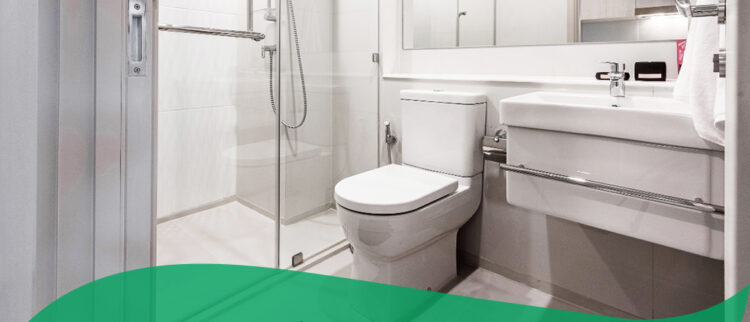
An upflush toilet is an alternative to a sewage ejector pump. Standard toilets rely on gravity to transport waste to the sewer line, which won’t work in a basement because waste must travel upward to reach the main sewer line. Upflush toilets have two tanks. One contains a built-in macerator pump that chops waste before sending it to the main sewer line.
Things to Consider with Upflush Toilets
You can install an upflush pump for a toilet almost anywhere. It can pump waste up to 20 feet vertically, eliminating the need for plumbing or home modifications. Upflush toilets are also energy-efficient, low-maintenance and last 10-15 years, sometimes more. However, when purchasing an upflush toilet, there are a few things to consider:
- Cost: The initial price of upflush toilets can be high. They usually cost more than standard toilets.
- Noise: It can be noisy when the blades pulverize waste.
- Electricity: This style of toilet only works with electricity.
- Possible pump strain: Frequent use can cause the pump to strain, so upflush toilets are only suitable for households with a few people.

Sewage Ejector Pumps vs. Upflush Toilets
Even though sewage ejector pumps and upflush toilets serve the same purpose, one may be better for you than the other. Here are some factors to consider when choosing which one you want:
- Efficiency: Sewage ejector pumps can handle more waste. Upflush toilets break down waste, but they can become overworked. Both models are energy-efficient, but sewage ejector pumps are more so, using less water and electricity than upflush toilets.
- Cleanliness: You want your home and toilet to remain clean and odorless. Upflush toilets are better than standard toilets at removing stains and preventing clogs. Sewage ejector pumps can clean the toilet and the pipe, and the vents prevent odors from entering your home.
- Comfort: Upflush toilets are comfortable and customizable. You can choose between elongated and round bowls, and freestanding or discreet installation behind the wall for a sleek look. These toilets look and function like standard toilets, requiring you to push a button to flush them so they’re comfortable to use. Sewage ejector pumps clean your toilets without a button.
- Valves: Sewage ejector pumps use check valves to connect to the main drain line, preventing sewage backup and odors from entering your home. Upflush toilets use front flush valves instead. Both get the job done, but front flush valves may leak.
- Installation: Sewage ejector systems are harder to install. They require a plumber and sometimes a permit. Upflush toilets are easy to install and connect to your existing system.
- Price: Upflush toilets cost more than standard toilets but tend to cost less than sewage ejector pumps.
- Durability: Both systems are durable. With regular maintenance, they last for many years.
Which Is Best for You?
After comparing the two based on various factors, you still may not know which one is best. Some reasons you may choose an upflush toilet over an ejector pump are:
- You want an easy-to-install solution.
- You have a lower budget for the project.
- You have a small household, or few people will use the upflush toilet.
- You like the portability in case you want to move the toilet to another room.
You may want a sewage ejector pump over an upflush toilet if:
- You want a solution that cleans your pipes and toilet.
- You have a large household.
- You want a solution that has greater energy efficiency.
Check out Star Water Systems Sewage Ejector Pumps and Upflush Toilets
Star Water Systems offers high-quality sewage ejector pumps and upflush toilet systems to meet your needs. Our Powerflush Optima and Powerflush Optima Pro upflush toilet systems are excellent for residential basements. You can install these powerful toilets yourself and expect professional-grade performance. Both are customizable and one-size-fits-all. They feature non-clogging vortex impellers and automatic reset features to minimize clogs and prevents the pump from overheating.
The primary difference between Powerflush Optima and Powerflush Optima Pro is that the Pro model can handle medium to large waste because it has two cutting blades and a ½-horsepower macerator. Powerflush Optima handles small to medium-sized waste with its ⅓-horsepower macerator.
If you need a sewage ejector pump over an upflush toilet, consider the Star Water Systems Sewage Pump. Our submersible sewage ejector pump has a bottom suction inlet with a nonclogging vortex impeller. It can pump 80 gallons of water per minute and send 2-inch solids to your main sewer. The pump also features a thermal overload protector to prevent it from overheating.

Find a Star Water Systems Dealer Near You
You can find high-quality Star Water Systems products at retailers near you or online through Amazon and Lowe’s. Whether you choose a sewage ejector pump or an upflush toilet, you can trust that it’ll get the job done well. Feel free to contact us with any product questions or concerns!